

The Science Behind After-Meal Fresheners and Palate Cleansing
Explore how after-meal fresheners support digestion and sensory balance, where modern digestive science aligns with traditional palate-cleansing wisdom.
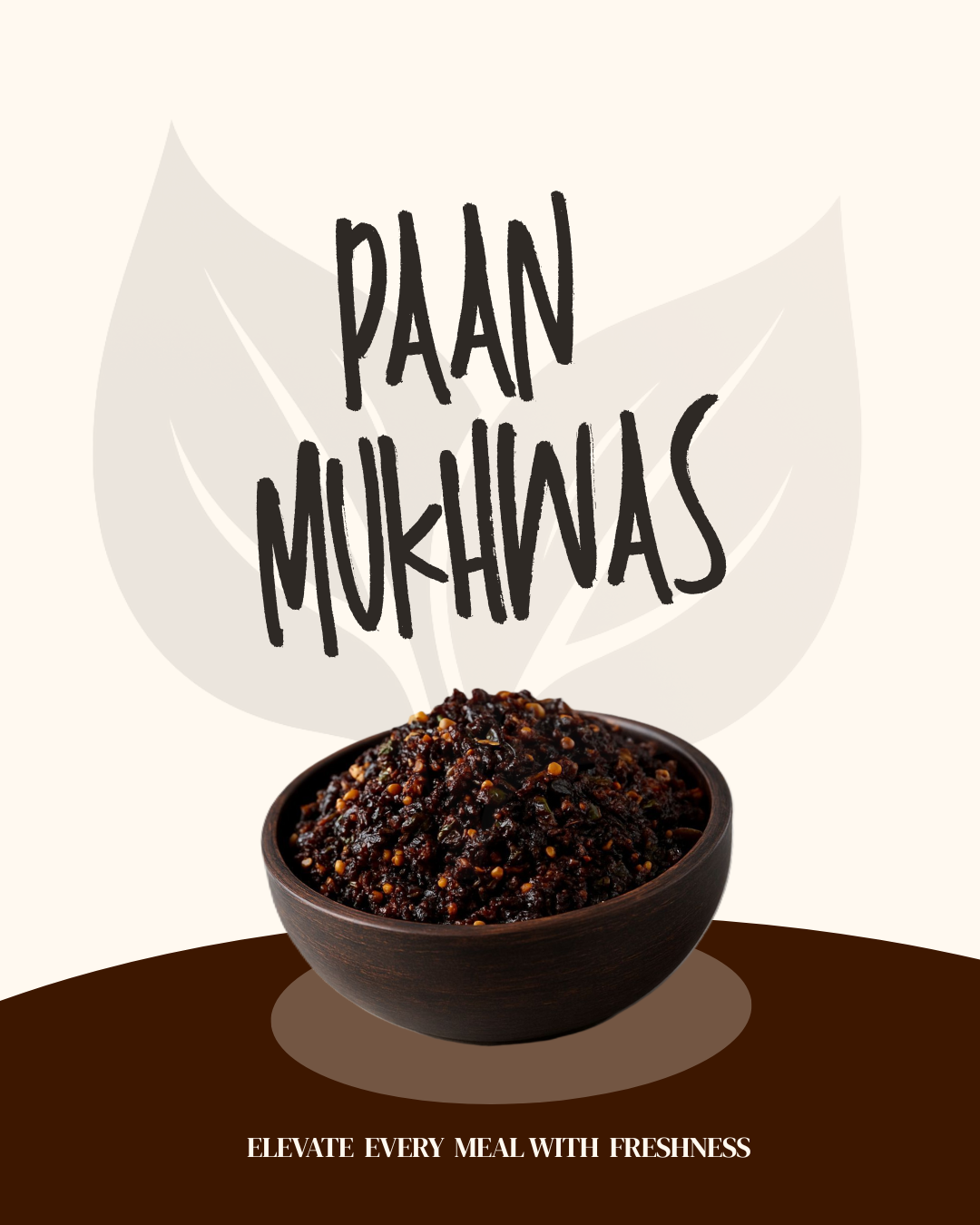
Mintara is not designed to overwhelm the palate — it exists to gently signal completion, balance, and calm at the end of a meal.
After-meal fresheners are often treated as a cultural habit or a finishing touch to dining.
In reality, their role is far more meaningful.
Across both modern digestive science and traditional food wisdom, there is a shared understanding:
how the body and senses transition after eating influences comfort, satisfaction, and digestion itself.
Palate cleansing is not about adding more flavour.
It is about restoring balance.
What Is Palate Cleansing?
Palate cleansing refers to the process of gently resetting the mouth after eating.
During a meal, the palate is exposed to:
- Oils and fats
- Strong spices
- Sweet, salty, and savoury compounds
- Complex textures
Without a reset, these elements linger unevenly, leaving the mouth feeling heavy or overstimulated.
A proper palate cleanse:
- Clears residual flavours
- Restores neutral taste perception
- Signals completion to the senses
Importantly, it does this without dominating the palate.
How Digestion Responds to Sensory Cues
Digestion is not governed solely by the stomach.
It is deeply connected to the nervous system.
The body relies on sensory signals to understand:
- When eating begins
- When it is ongoing
- When it has ended
A calm, balanced sensory environment at the end of a meal supports a smoother digestive transition. Overstimulation, by contrast, can disrupt this process.
This is where after-meal fresheners play a subtle but important role.
The Role of Aroma and Taste After Eating
Modern sensory science shows that aroma and taste strongly influence digestive comfort.
After eating:
- Mild aromatic cues encourage relaxation
- Balanced flavours help the palate reset
- Gentle sweetness can feel soothing
However, excessive sharpness or intensity keeps the nervous system in a state of alertness rather than closure.
Effective palate cleansing works with the body’s natural rhythms, not against them.
Traditional Wisdom: Why Cultures End Meals Gently
Long before modern science studied digestion, traditional food cultures understood the importance of how meals end.
Across Indian, Middle Eastern, and East Asian cuisines, after-meal elements share common qualities:
- Lightness
- Subtle aroma
- Balanced sweetness
- Gentle herbal notes
These practices were not indulgences. They were functional — designed to bring meals to a composed conclusion.
This consistency across cultures suggests that palate cleansing is not arbitrary tradition, but observed wisdom refined over time.
Why Strong Aftertastes Can Be Counterproductive
Many modern mouth fresheners rely on:
- Artificial sharpness
- Excessive sweetness
- Long-lasting flavour intensity
While stimulating, these qualities can overpower the palate rather than reset it.
Instead of closure, they extend sensory activity — leaving the body in a state of continuation rather than completion.
From both a scientific and experiential standpoint, resolution is more satisfying than stimulation at the end of a meal.
Palate Cleansing and Eating Satisfaction
Studies on eating behaviour consistently show that satisfaction is influenced by how experiences end.
When meals conclude calmly:
- The mind registers completion
- Cravings reduce
- The desire to snack decreases
- Eating feels intentional rather than impulsive
Palate cleansing contributes to this sense of finality. It marks the boundary between eating and what comes next.
The Digestive Pause: A Missing Element Today
Modern eating habits often eliminate the pause between eating and activity:
- Screens replace awareness
- Speed replaces reflection
- Intensity replaces balance
Without this pause, digestion begins under less-than-ideal conditions.
Even a brief moment of calm — supported by gentle palate cleansing — helps the body shift from consumption to digestion.
Balance Over Strength: A Scientific Principle
From a sensory perspective, the goal after eating is neutralisation, not escalation.
Effective after-meal fresheners:
- Do not dominate taste receptors
- Do not linger aggressively
- Do not demand attention
They work quietly, allowing the body to settle.
This principle mirrors broader nutritional science, which increasingly values moderation and balance over extremes.
Why Modern Science Is Rediscovering Tradition
As research into digestion, gut health, and mindful eating advances, many traditional practices are being re-evaluated through a scientific lens.
Palate cleansing stands out as one such practice.
What tradition framed as ritual, science now recognises as sensory regulation — an essential part of healthy eating behaviour.
Applying This Understanding Today
Supporting digestion does not require complexity.
Simple, intentional after-meal practices that prioritise:
- Lightness
- Aroma
- Balance
- Timing
can meaningfully improve how meals feel — physically and mentally.
The key is restraint.
Final Thoughts
After-meal fresheners and palate cleansing are not about indulgence or habit.
They are about transition.
Modern science and traditional wisdom agree on one point:
meals that end gently are more satisfying, more comfortable, and more complete.
In understanding the science behind palate cleansing, we rediscover an old truth —
sometimes the most powerful effects come from the subtlest actions.
Frequently Asked Questions
What is palate cleansing?+
Palate cleansing is the process of resetting taste perception after eating, helping the mouth feel clean, balanced, and refreshed.
Do after-meal fresheners help digestion?+
Indirectly, yes. Gentle after-meal fresheners support digestion by signalling meal completion and promoting sensory calm.
Why are strong flavours not ideal after meals?+
Strong flavours can overstimulate the senses and interfere with the body’s natural digestive transition after eating.
Next article
What Makes a Good Mukhwas? Understanding Balance, Aroma, and Finish